

Gabi Goslar: A Journey Through History
Gabi Goslar, a name that resonates with stories of survival and resilience, stands as a significant figure in the narrative of the Holocaust.
Her life, marked by extraordinary events, provides a window into the past, offering lessons of courage and hope.
This article explores the life and legacy of Gabi Goslar, her experiences during the Holocaust, Gabi Goslar today, and her lasting impact on history.
Early Life and Historical Context
Born on October 25, 1940, in Amsterdam, Netherlands, Gabi Goslar was the younger daughter of Hans and Ruth Goslar. The family had fled Germany in 1933 following Adolf Hitler’s rise to power, seeking refuge in the Netherlands. Gabi’s early years were marked by the turbulence of World War II and the oppressive grip of the Nazi regime.
Tragically, her mother died in childbirth in 1942, leaving Gabi and her older sister, Hennelli, to navigate the challenges of a war-torn Europe.
Gabi Goslar’s Holocaust Experience
In June 1943, the Goslar family was arrested and sent to Westerbork transit camp, a prelude to their deportation to Bergen-Belsen concentration camp in February 1944. Despite the harrowing conditions, Gabi and her sister survived, a testament to their resilience and determination.
The sisters were eventually evacuated on the Troebitz Train, a moment that marked the beginning of their new lives. Many people still ask, is Gabi Goslar still alive, as her story continues to inspire generations around the world.
Friendship with Anne Frank
Gabi Goslar’s life is deeply intertwined with that of Anne Frank, another iconic figure from the Holocaust. The two met in Amsterdam, and their friendship blossomed as they attended the same Montessori school. Despite the dire circumstances, their bond remained a source of strength.
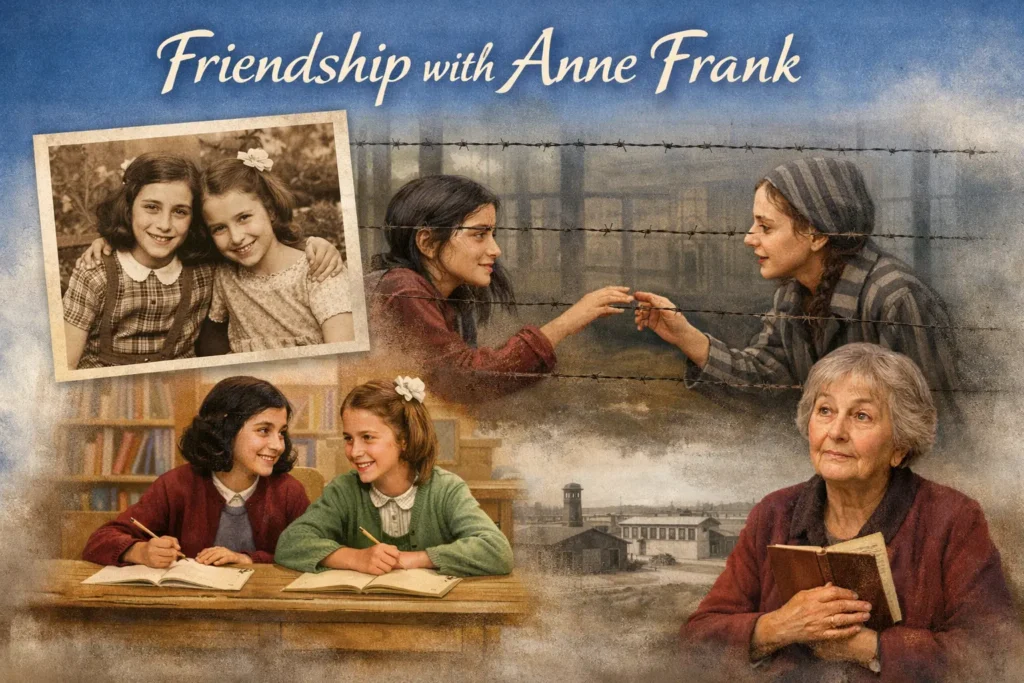
They reconnected briefly at Bergen-Belsen, where Anne was also imprisoned. These encounters, though brief, left a lasting impact on Gabi, who carried the memory of her friend throughout her life.
Legacy and Impact
After the war, Gabi Goslar and her sister emigrated to Israel, where they rebuilt their lives. Gabi Goslar’s experiences during the Holocaust have been documented in various media, including documentaries and books. Gabi Goslar now remains a symbol of remembrance and education, with her life story continuing to inspire generations.
Her story serves as a poignant reminder of the resilience of the human spirit and the importance of remembering history’s darkest chapters. Gabi Goslar’s guide to survival is not just about enduring physical hardships but also about maintaining hope and compassion.
Gabi Goslar Guide: Key Facts
| Aspect | Details |
|---|---|
| Birth | October 25, 1940, Amsterdam, Netherlands |
| Family | Sister Hennelli; Parents Hans and Ruth Goslar |
| Significant Events | Arrest and deportation to Westerbork and Bergen-Belsen; Friendship with Anne Frank |
| Post-War Life | Emigrated to Israel; documented Holocaust experiences |
Unique Insights
While many know Gabi Goslar through her association with Anne Frank, her story offers unique insights into the broader experiences of Holocaust survivors.
Her perseverance and the lessons she imparted continue to inspire generations. Gabi Goslar’s gameplay in life was not just about survival; it involved compassion, empathy, and the courage to share her story with the world.
Conclusion
Gabi Goslar’s life is a powerful testament to the resilience of the human spirit. Her experiences during the Holocaust and her enduring friendship with Anne Frank highlight the importance of remembering history’s darkest chapters to ensure they are never repeated.
Gabi’s story is not just a historical account; it’s a beacon of hope and a source of inspiration for future generations.